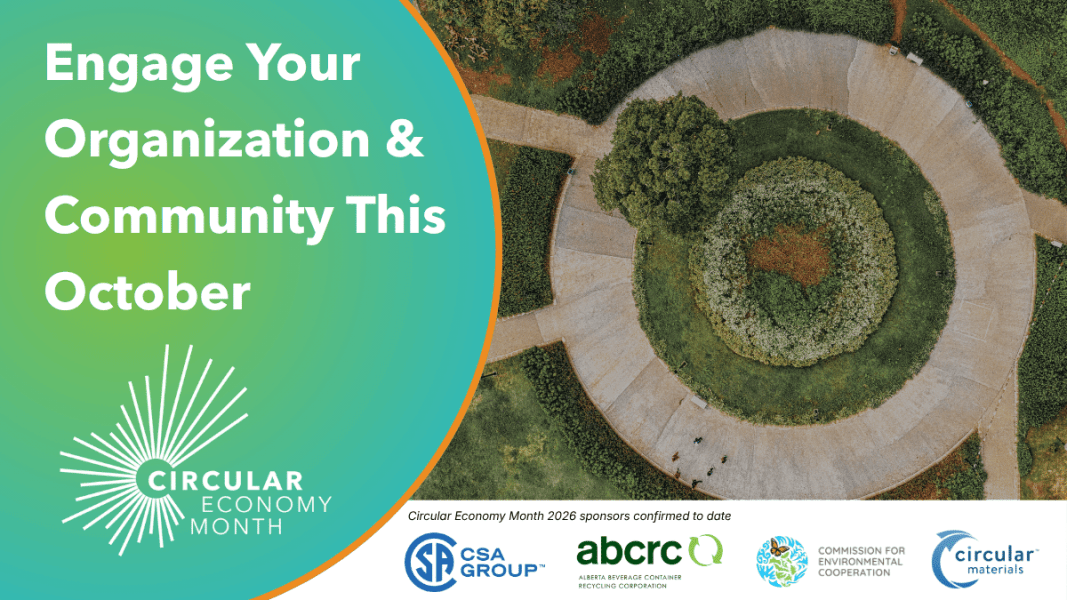
The annual Circular Economy Month campaign is almost 1 month away!
As summer begins to wind down and we transition into fall routines, now is the perfect time to start planning fall activities that engage your organization or community on circularity.
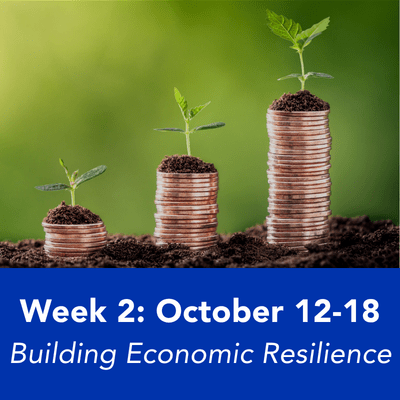
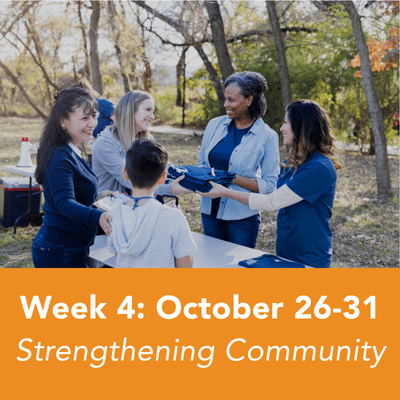
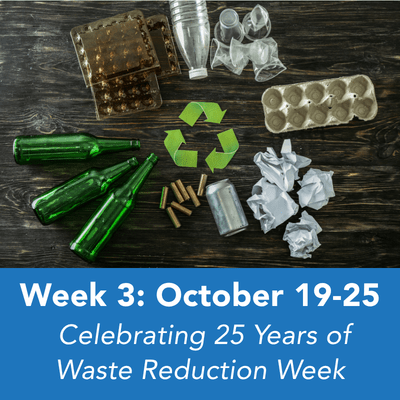
This October will mark the 25th anniversary of the annual campaign (originally established as Waste Reduction Week in Canada in 2001), with communications reflecting on progress made over the last quarter century and looking ahead to what’s needed to build a more circular, resilient future.
There are endless opportunities for governments, organizations, and businesses of all sizes to participate in the month-long celebration:
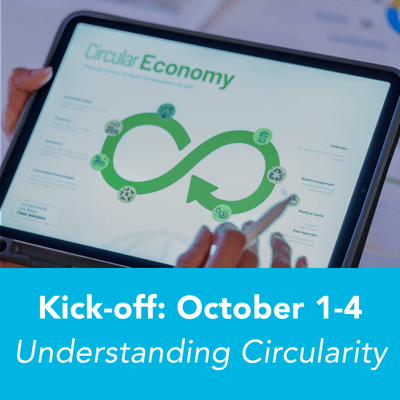
Weekly Themes

Procure4Circular Construction’s Industry Workshop brought together municipal & public sector participants from across Canada to engage the deconstruction/demolition/
Five insights stood out:
1. Timing may be the biggest enabler.
Deconstruction becomes harder and more costly when introduced too late. Early planning can help eliminate—not simply manage—many perceived schedule and cost barriers.
2. Buildings as material banks, with material audit a design and procurement tool
The real value is in turning information about a building into a material inventory that can influence design and procurement decisions before they’re locked in.
3. The cheapest storage solution may be no storage at all.
Direct project-to-project transfers, internal reuse, on-site reuse and pre-sale can reduce the cost and complexity of moving materials into—and back out of—storage.
4. Procurement creates the predictable demand needed to make reuse commercially viable.
Industry feedback pointed to owner requirements, tender criteria, performance-based specifications and material recovery plans as potential tools for creating more predictable demand.
5. Scaling reuse is an ecosystem coordination challenge.
Owners, designers, contractors, salvage specialists, marketplaces and buyers all hold pieces of the solution. Better coordination of information, timing, materials and demand may be just as important as increasing supplier capacity.
Full workshop summary and workshop presentations available now on our website.
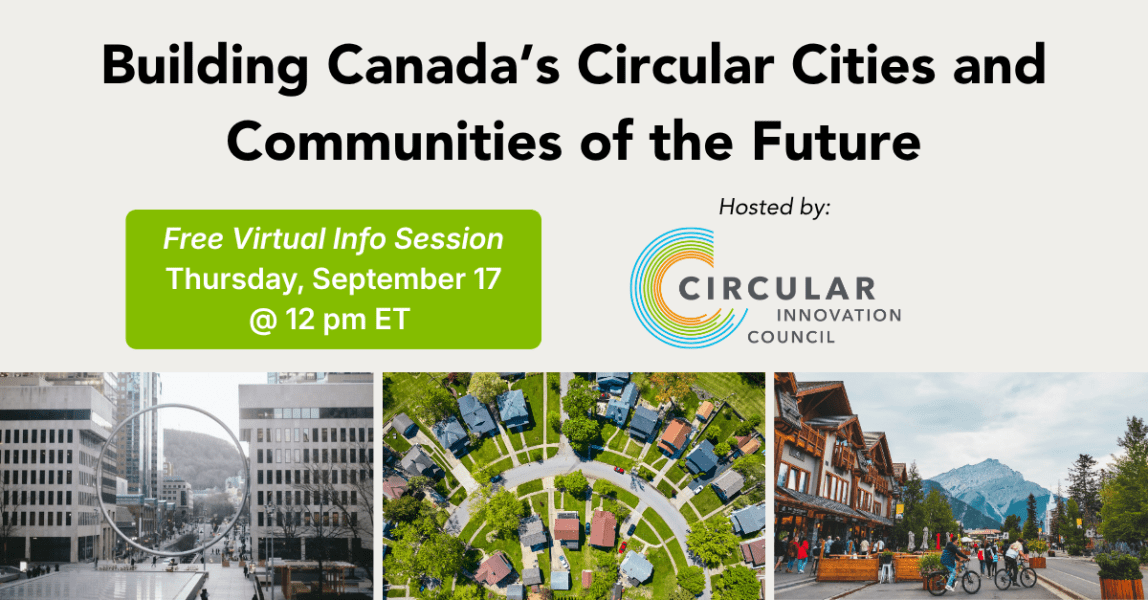
In this information session you will learn about:
Who should attend?
Advancing circularity in your community requires collaboration across several departments:
Date: Thursday, September 17th
Time: 12-1 pm ET
Online: on Zoom
Organic Month & Secondhand September
September
Sustainability Live: The London Summit + Awards 2026; London, England
September 8 – 9
World Circular Economy Forum; Gandhinagar, India
September 15 – 18
Canadian EPR Forum; Quebec
September 14-16
World Clean Up Day
September 16
Climate Week NYC; New York City, US
September 20-27
International Day of Awareness of Food Loss and Waste
September 29
We respectfully acknowledge that we live, work and play on the traditional territory of many Indigenous Nations and we humbly extend our respect to Indigenous individuals, communities and Elders, past and present, as the traditional custodians of this land.
Circular Innovation Council is a registered charity.
Charity Registration Number: 119112118 RR 0001